One of the most impactful yet humbling experiences on our tour through India was learning about, and experiencing first hand, the caste system. Even though it was outlawed in the 1950’s by India’s constitution, it is still actively followed, practiced, and strictly adhered to in a variety of ways – both overtly as well as subtly. Let’s first look at how the caste system is structured and then I’ll share our discussions and experiences.
The Caste System
India’s caste system is one of the oldest forms of social stratification in the world and dates back more than 3,000 years. It’s divided into four main castes: Brahmins (priests and teachers), Kshatriyas (warriors and rulers), Vaishyas (merchants and farmers), and Shudras (laborers). These castes subdivided into 3,000+ castes and 25,000 sub-castes based on their occupation. At the very bottom of the social order is the outcastes – a group called Dalits – who perform the lowest of low tasks. For more information, check out this overview provided by the BBC.
The Expectations
While discrimination based on caste may be “illegal” in India, it is alive and well. Surnames – last names – are still used to identify the status of a family and the work that the family performs. Expectations of children are also set based on the caste and history of a family – so if you are of a management caste, for example, it is expected that you will go to school for management and get a job in that profession. Marriage expectations are also set based on caste (though this is slowly changing based on the upcoming younger generation). Marrying outside of your caste is highly frowned upon – for example, our tour guide in Bodhgaya was disowned by his entire family because he married into a higher caste.
The Dalits
Our most poignant experience related to the caste system was our visit with a Dalit family outside of Bodhgaya in eastern India. Dalits – the outcastes – are often referred to as the untouchables or the unclean because they are relegated to menial tasks such as cleaning toilets, sweeping streets, or killing rats on farms. Moreover, they are shunned and ignored and thus typically coalesce into small communities by themselves.
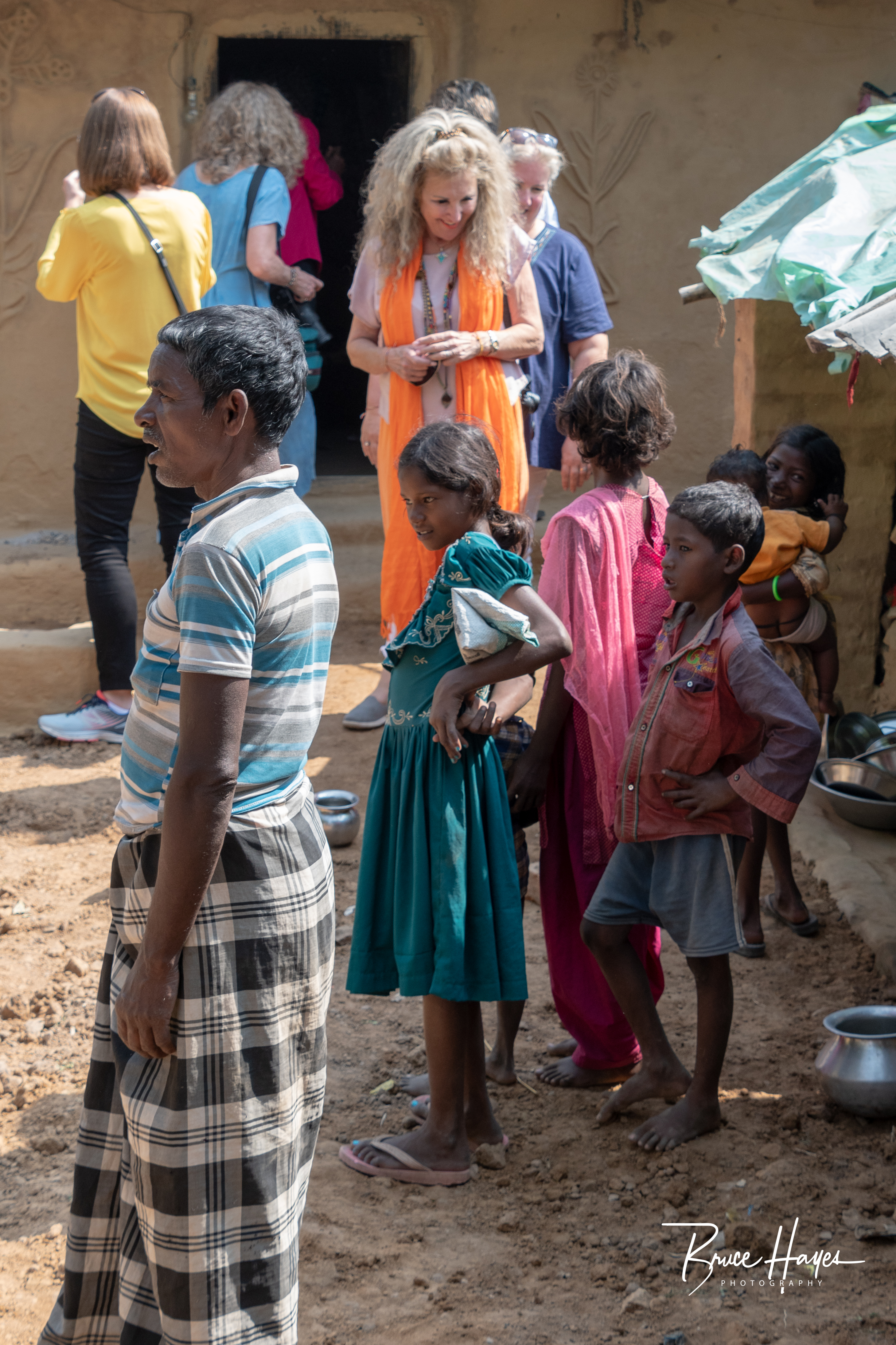
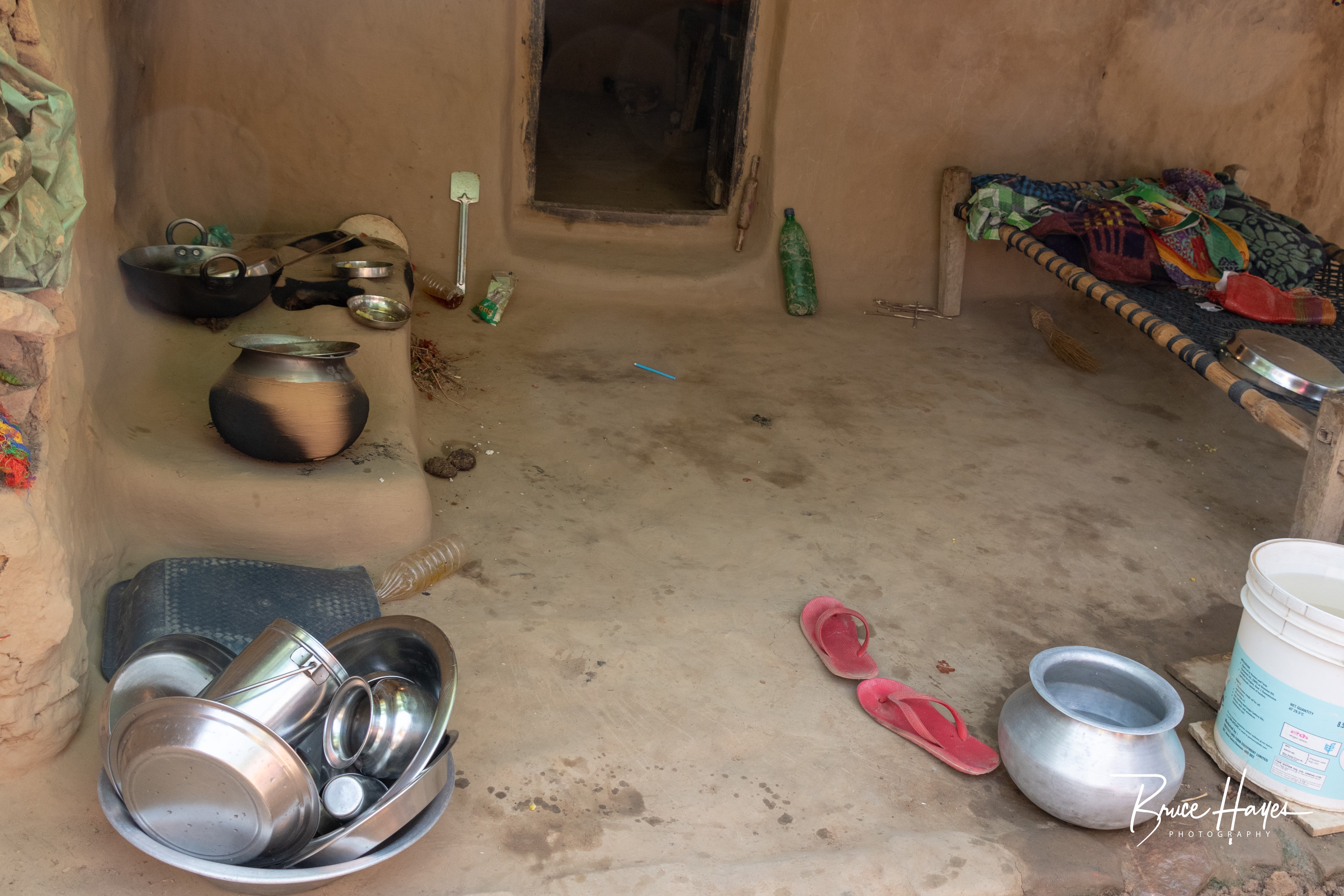
The family we visited consisted of three generations – grandparents, several children, and quite a few grandchildren – and they lived in a shack on the side of the road. One bedroom, a small kitchen, a few farm animals, and a small farm plot is all that they had.
During our visit, an Indian tour group stopped by (their group was visiting a nearby historical monument) and their tour guide began an argument with our tour guide. The reason? We were being shown the lowest possible aspect of India and should instead “be taken to the big cities to be shown the magnificence and beauty of India.”
The Train
The outcomes of the caste system – the “haves” versus the “have nots” – was routinely visible in all the places we visited. And though not directly related to the caste system, the train from Jaipur to Agra provided another view into what life was like to the average person in India.
The passenger train was divided into two types of cars – one set of cars was air-conditioned with assigned, reclining seats, and one set of cars were labeled “second class” and was treated as general admission with seating and standing on a first come first serve basis.
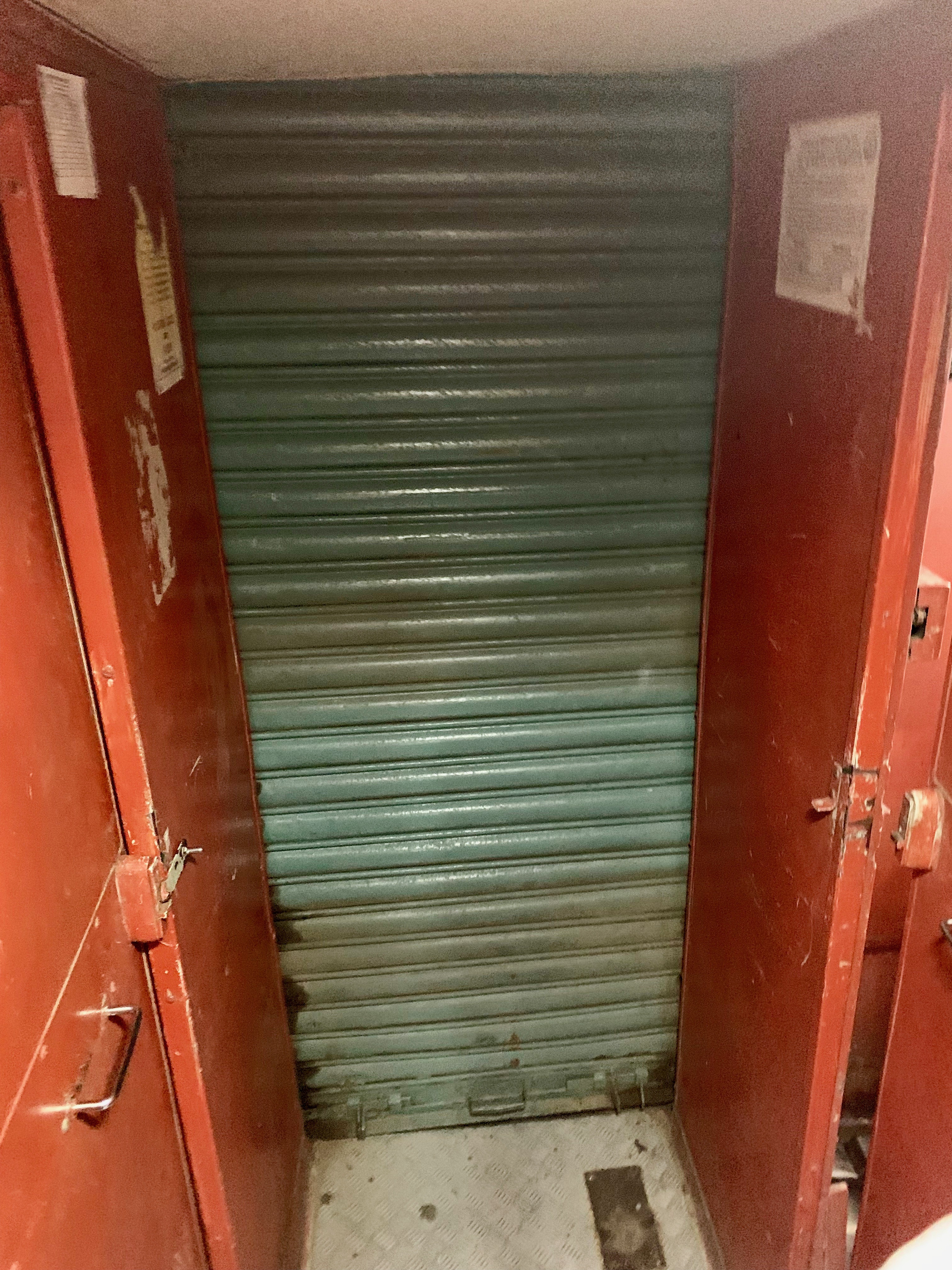
Once underway, a small group of us set out to tour the train – intent on walking from our seats in the first air-conditioned coach all the way to the back of the train. When we reached the first of the second class cars, however, we found the way blocked by a large metal door. This door had been lowered and locked because the second class cars were overcrowded with passengers and thus had to be prevented from coming into the other areas of the train. Moreover, there were passengers yelling and banging on the metal door to be let out – a sound so hollow, so desperate, and so foreign that I’ll no doubt remember it for the rest of my life.
The Students
On an optimistic ending note, we visited a group of students at the Banaras Hindu University in Varanasi and discussed, amongst many topics, their future paths in life. When asked if they would have arranged marriages, they all overwhelming said absolutely not. Moreover, they were all intent on taking their own path in life and pursuing an education and subsequent career in the industry or locale of their choosing.
While this certainly doesn’t indicate a mass change in perception or practice, especially across all castes and all locales of India, one can hope that the new generation of kids (whether it be in India or here in America) is not only able to cut ties with the past that binds us but also able to forge new paths into a future of equality, tolerance, and fairness.